Metro Display LED Signage Board
Metro signage is a specialized system of wayfinding designed to guide thousands of passengers quickly and safely through complex transit environments. These systems rely on high-contrast visuals, standardized typography, and universal icons to remain legible under artificial lighting and in crowded spaces.
Key Components of Metro Signage
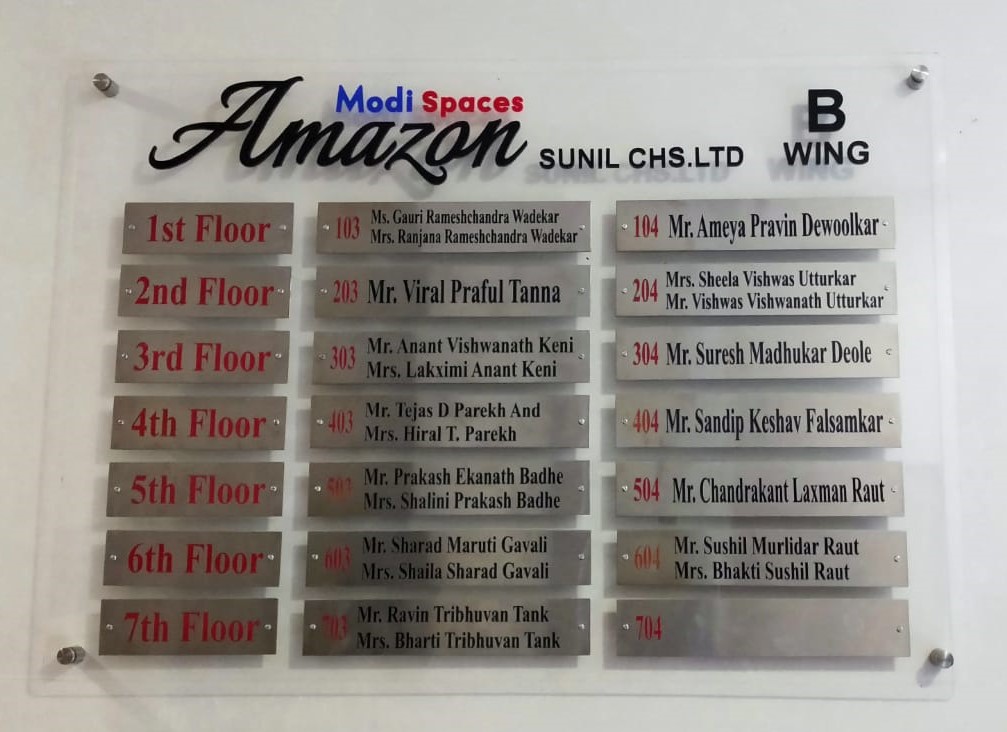
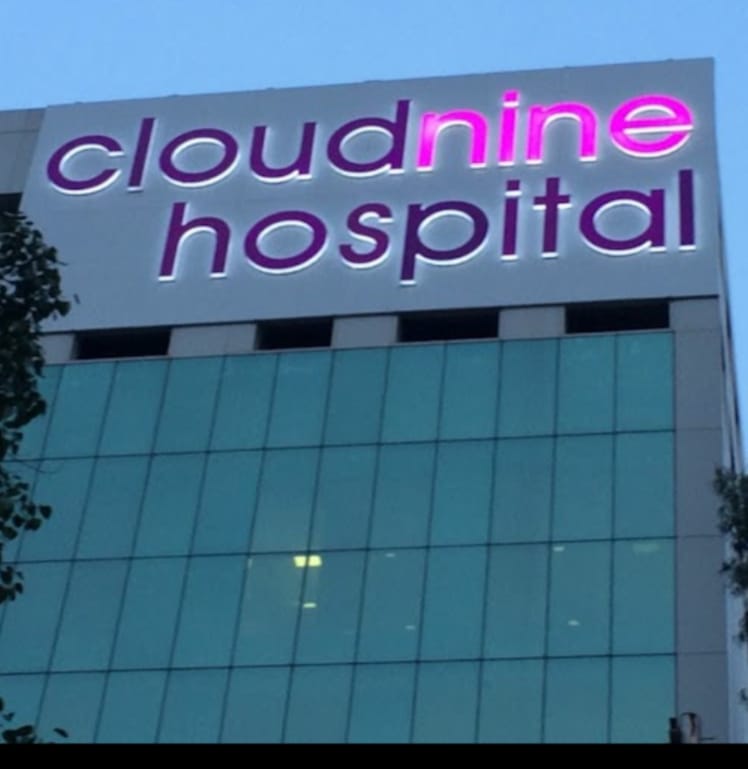
- Identification Signs: Prominent logos and station names that mark station entrances from street level.
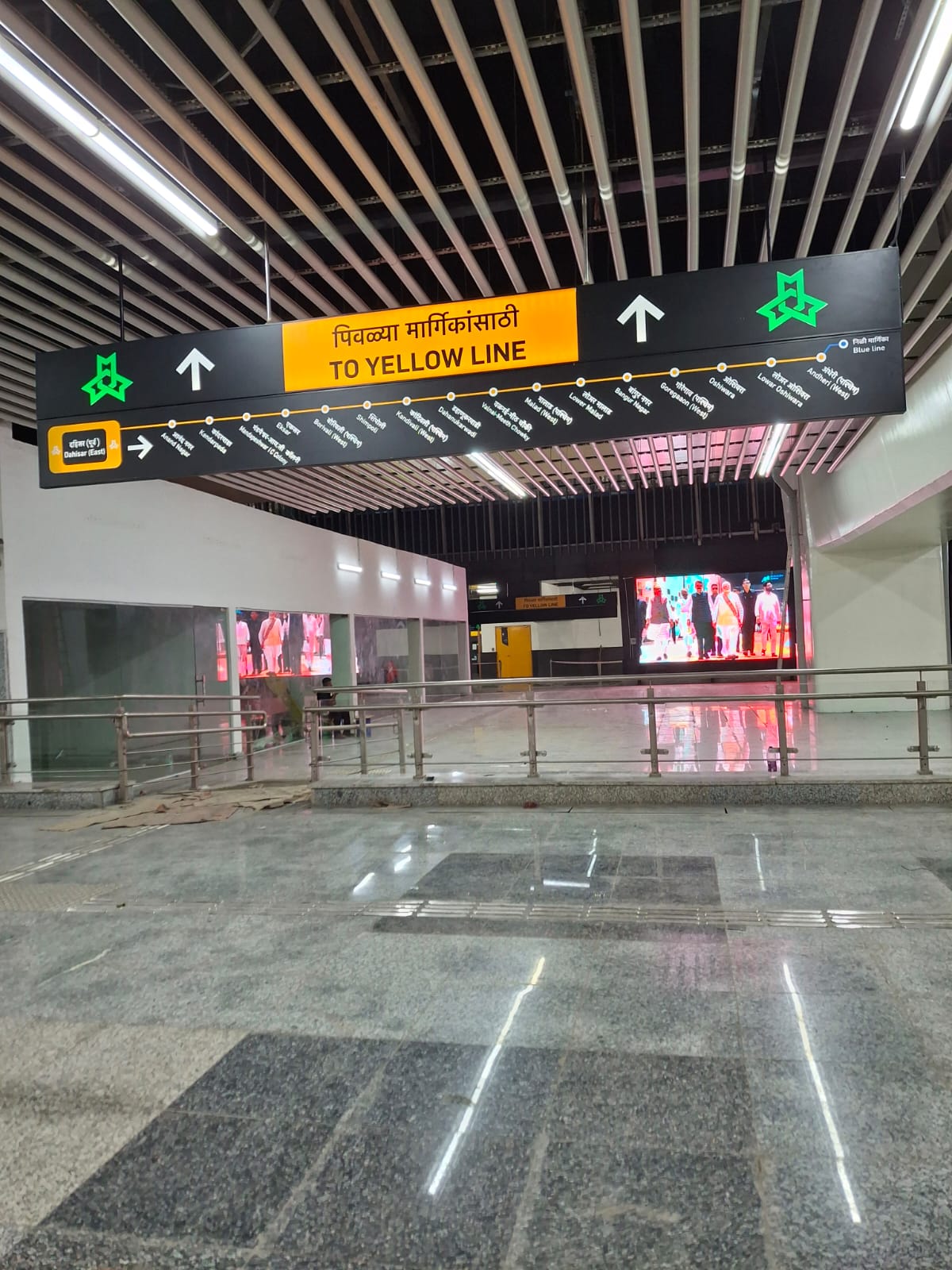
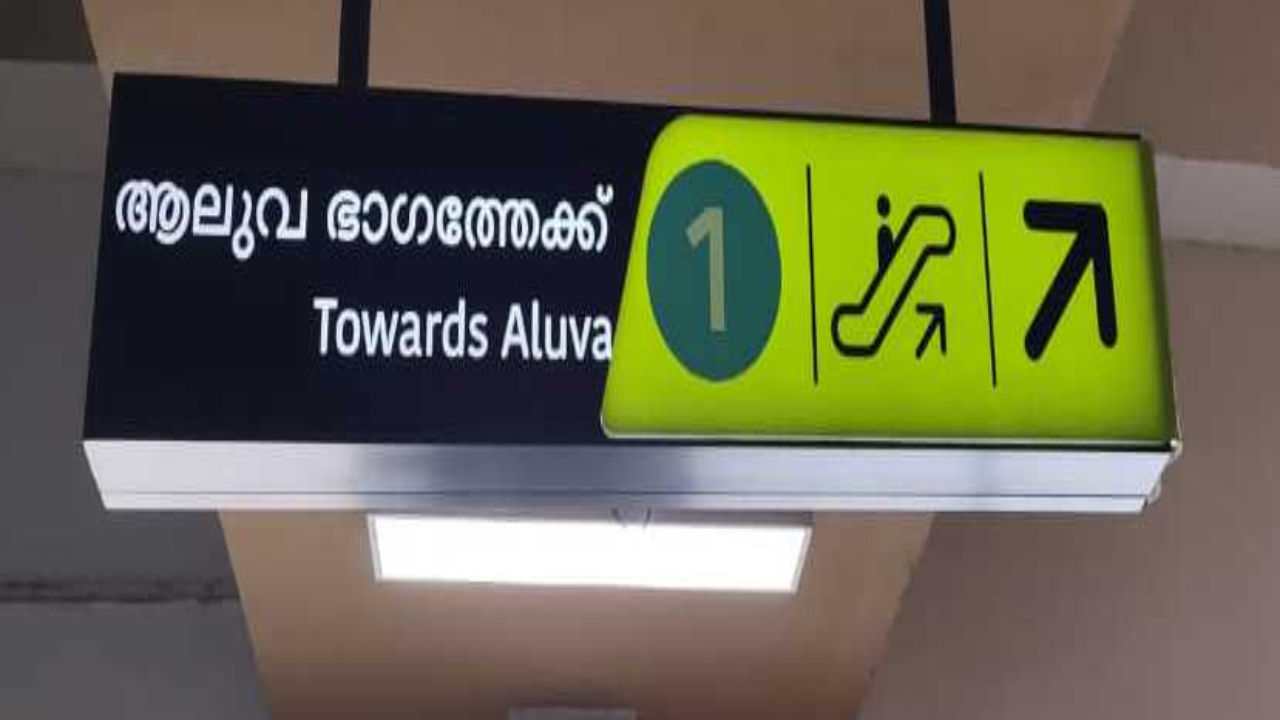
- Directional Signage: Overhead or wall-mounted panels using arrows to guide commuters toward platforms, exits, or connecting lines.
- Line Mapping: Color-coded diagrams that simplify complex networks into easy-to-follow routes, often displayed on station walls or fold-out maps.
- Information Pylons: Vertical kiosks that provide local area maps, fare details, and service updates.
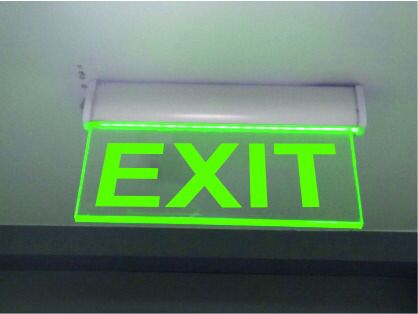
- Universal Pictograms: Standardized icons for lifts, stairs, exits, and restrooms that transcend language barriers, often using dedicated transit typefaces like FF Transit.